This is the question Tomi gets more than any other right now, and it usually arrives with a little dread attached. Someone read a headline about a Sun Belt correction, looked at their home equity, and started doing math at eleven at night.
So let's take the dread out of it and look at what Arizona is actually doing, using the data rather than the panic.
First, define what "dropping" means
People use one word for three different things, and it causes a lot of unnecessary worry.
- The median sale price falling — that is a statistic about which homes sold, not about what your home is worth. If more modest homes sell in a given month, the median drops even if every individual home held its value.
- Your home's value falling — specific to your street, your square footage, your condition.
- Leverage shifting — buyers getting concessions, repairs and price reductions. This is what is genuinely happening in Arizona right now, and it gets reported as prices "dropping."
Number three is real. Number one is mild. Number two depends entirely on where you live and how your home shows.
The Greater Phoenix numbers as of late 2026
The Greater Phoenix median sale price was about $445,000 in August 2026. That is down roughly 1% from July, and still up about 1% from August of last year. Inventory climbed to roughly 23,400 active listings, pushing months of supply to 4.28 — up from 3.77 the month before.
Closed sales fell about 13% from July, which sounds alarming until you remember what August is in Phoenix. Nobody tours homes at two in the afternoon in a 112-degree week. Sales always cool in the heat, and they always come back in October.
Zoom in to the City of Phoenix and the picture is the same shape. Redfin put the city median near $460,000 across the three months ending in July 2026, up 1.7% year over year, with homes averaging about 55 days on market. Slower, steadier, still positive.
Why prices are holding while buyers gain ground
Most sellers are not forced sellers
A very large share of Arizona homeowners are sitting on mortgages locked in well below current rates. A homeowner paying 3.2% has almost no reason to sell into a 6.9% market unless life makes them. Job change, growing family, divorce, downsizing, probate — real reasons, not opportunistic ones.
That keeps new listings restrained. Restrained supply is what puts a floor under prices even as demand softens.
People keep moving here
Arizona's growth story has not reversed. Phoenix remains one of the largest and fastest-growing metros in the country, and the demand that creates does not evaporate because rates went up a quarter point.
Builders can flex, resale cannot
When the market softens, new-construction builders drop incentives, buy down rates and cover closing costs. That absorbs pressure that would otherwise show up as falling resale prices. It also means resale sellers are now competing with incentives, which is a real strategy problem — more on that below.
What would actually push Arizona prices down
Not a headline. Three things, and you would need at least two of them together:
- Sustained rate increases. Freddie Mac put the 30-year fixed at 6.95% on September 17, 2026, up from 6.26% a year earlier. Rates parking above 7.5% for a long stretch would bite.
- Forced selling at scale. Meaningful job losses in the metro, which is the actual mechanism behind every real correction.
- A supply flood. Inventory would need to run well past six months, not hover near four.
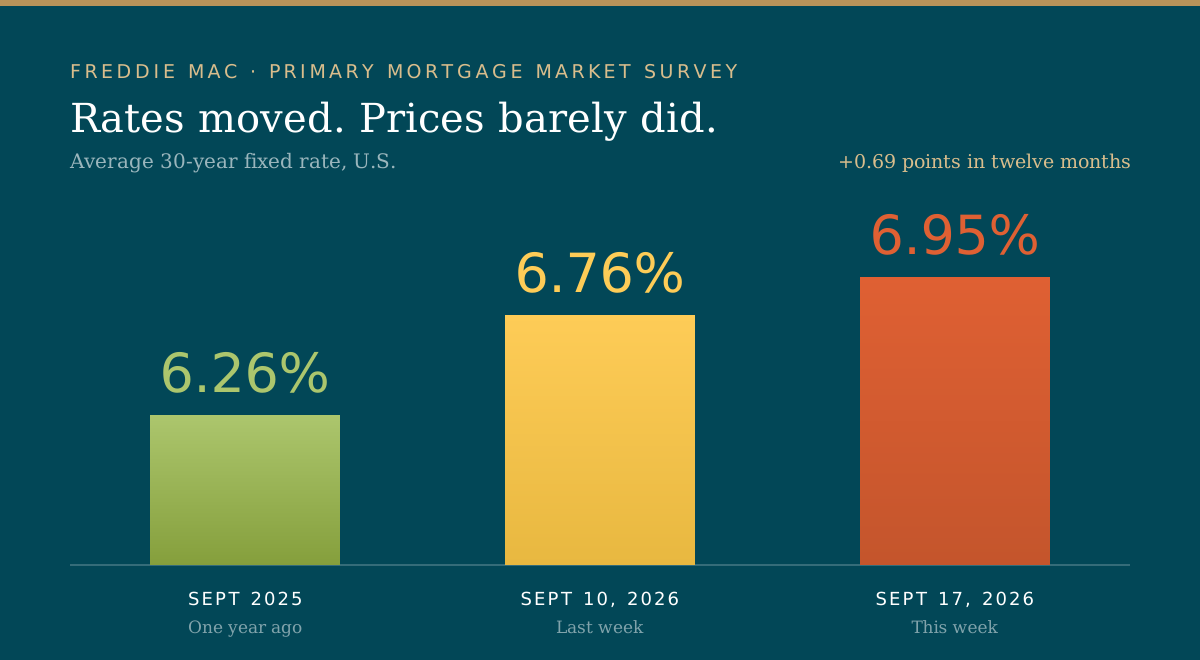
The average 30-year fixed rate has climbed roughly two-thirds of a point in a year. Source: Freddie Mac PMMS.
Right now Arizona has one of those partially, and not the other two. That is why a sharp statewide drop looks unlikely rather than imminent.
If you're selling in the Valley right now
This is where the honest conversation matters, because the market has changed the rules and a lot of sellers are still playing by the old ones.
Your list price is your entire strategy
With over four months of supply, buyers have options. An overpriced home does not "test the market" anymore. It sits, goes stale, and then sells for less than it would have if it had been priced correctly on day one. Tomi has watched that movie enough times to know how it ends.
Expect to contribute
Seller-paid closing costs and rate buydowns are common again, especially under $500,000. Budget for it as part of your net rather than treating it as a failure at the negotiating table.
Condition is not optional
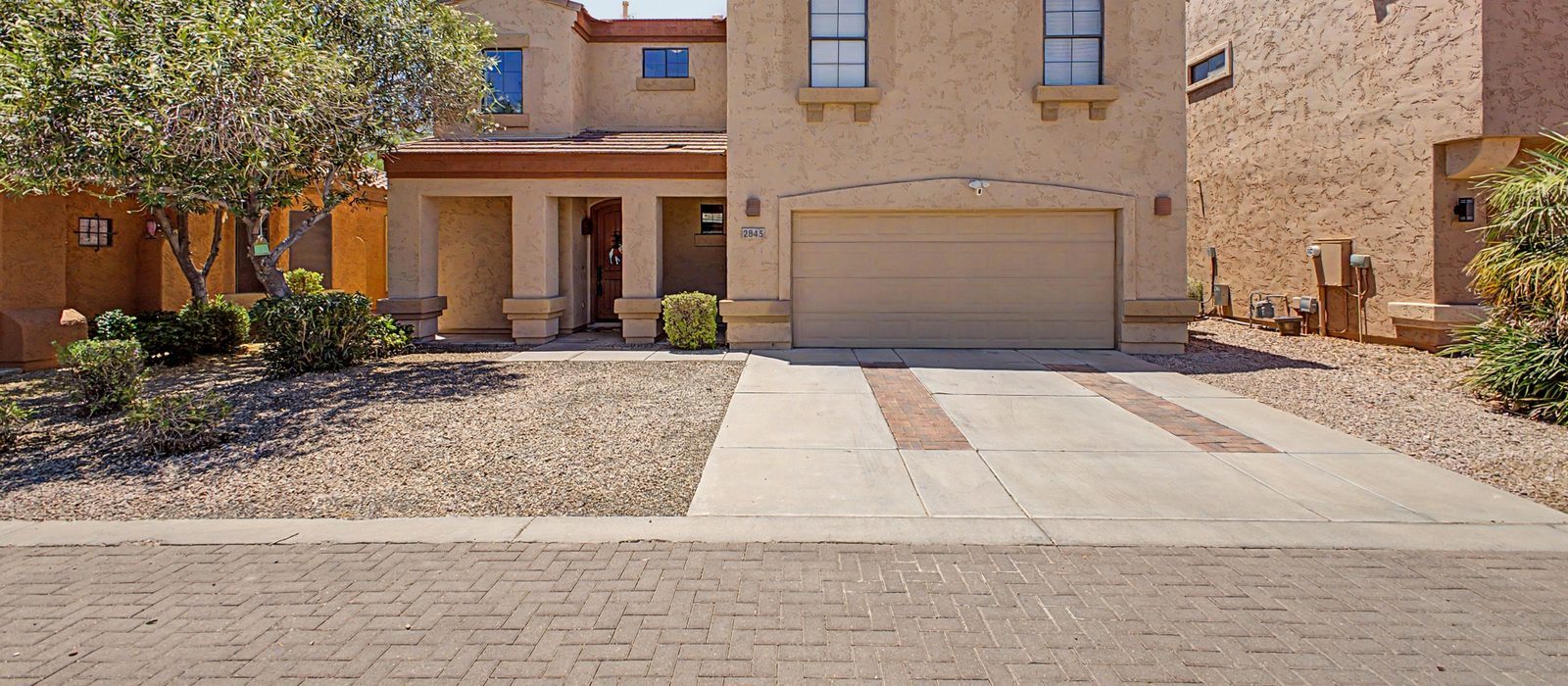
When buyers have choices, they choose the clean one. Paint, deferred maintenance, dated fixtures and a tired roof all get priced in now, and buyers price them in harder than a contractor would. The Tomi Homes team can spot a future bathroom renovation from a mile away — and so can your buyer's inspector.

Light, paint and condition do more for a Valley listing than a price reduction does. Photo: Omer Gulen / Pexels.
If you're buying
Stop waiting for the crash. It is the most expensive form of patience in real estate. Buyers who waited out 2019 into 2021 did not get a discount, they got a bidding war.
What you do get right now is leverage: inspection contingencies that stick, appraisal protection, repair negotiations, and sellers willing to help with your rate. Use it.
What Tomi tells people, plainly
If you need to sell in the next year, sell into this market with a correct price and a home that shows well. Waiting for a better one is a bet, and the holding costs are real.
If you want to buy and you plan to stay, the negotiating environment is better than it has been since before 2020. Prices are not falling out from under you, and they are not running away from you either.
That is not exciting. It is just true, and true is more useful.