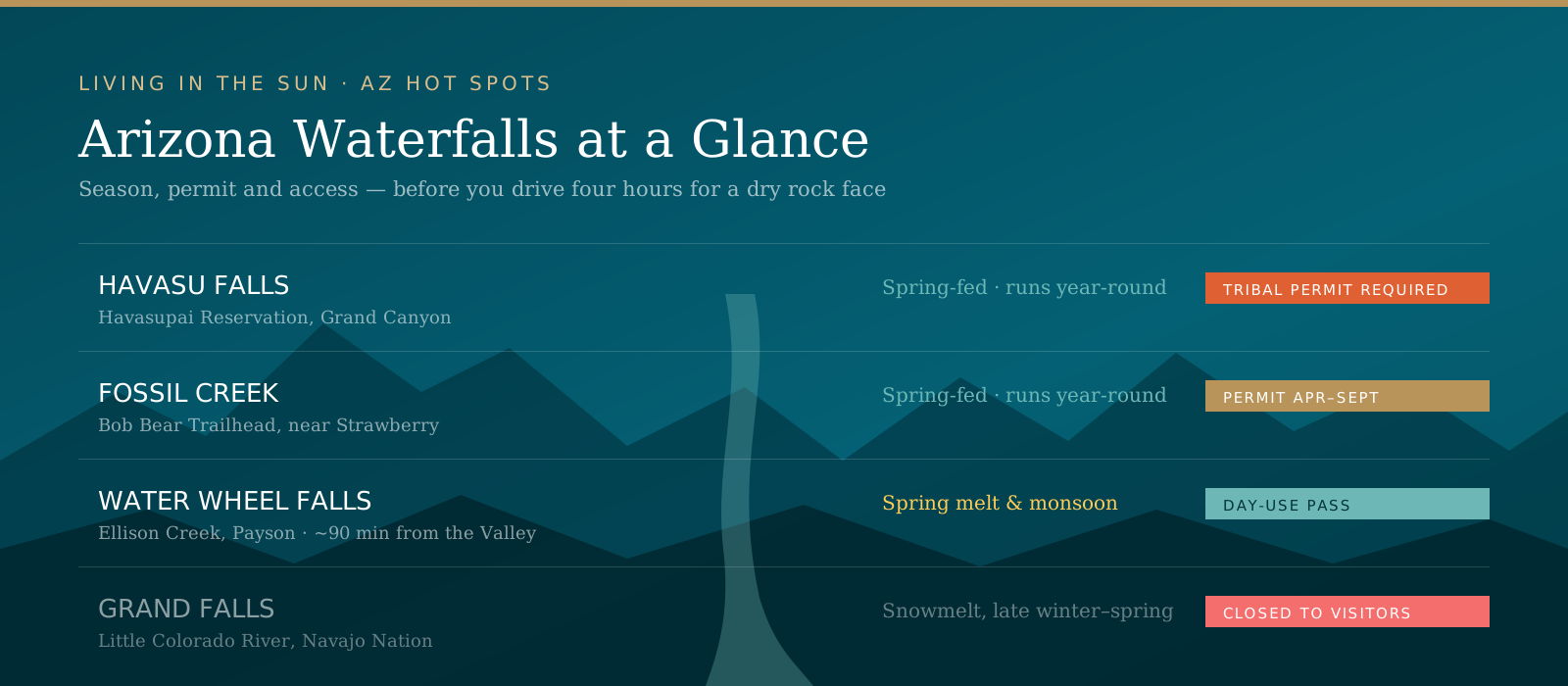
People move to Arizona and assume they have traded waterfalls for saguaros. Then they find out the state has travertine pools the color of a swimming pool filter ad, cascades ninety minutes from Central Phoenix, and a 185-foot falls on the Little Colorado that runs chocolate brown with snowmelt.
The catch is timing and permission. Most Arizona waterfalls are seasonal, several sit on tribal land and require permits, and one of the most photographed is closed to visitors entirely. Show up unprepared and you get a dry rock face and a wasted Saturday — or worse.
Here is how it actually works, from people who have been hiking this state for decades.
When Arizona waterfalls actually run
Three water sources, three completely different calendars. This is the single most useful thing to understand.
Snowmelt-fed
Falls fed off the Mogollon Rim, the White Mountains and the San Francisco Peaks peak in late winter and spring after a good snow year. By late summer many are a trickle.
Monsoon-driven
Arizona's monsoon runs roughly July through September. Seasonal falls in the Superstitions and other desert ranges appear in the days after a storm and vanish again within a week. Chase recent rain, not a date on the calendar.
Spring-fed
Fossil Creek and Havasu Creek run year-round because they come out of the ground rather than the sky. Fossil Creek pushes out an enormous volume of mineral-rich water at a near-constant temperature, which is why it looks tropical in the middle of the desert.
Close enough for a Valley day trip
Water Wheel Falls & Ellison Creek Cascades — Payson
About 90 minutes to two hours from the Valley, at the base of the Mogollon Rim in Tonto National Forest. The trail follows the creek past a string of pools and small cascades, and you are into pretty scenery within fifteen minutes of leaving the car. A day-use pass is required.
It has to be said plainly: this canyon is a serious flash flood corridor. In July 2017, a storm on an upstream burn scar sent a wall of water down Ellison Creek and ten members of one family died. There is a memorial along the trail. If there is rain anywhere upstream — even under blue sky where you are standing — do not go. Go another day.
Fossil Creek — near Strawberry
One of the best water hikes in the state, and one of the most regulated. A permit is required through the main season, roughly April into September, and the hike from the Bob Bear Trailhead is about five miles each way with real elevation on the way back out. Plan for the return climb in full sun.
Horton Creek — Payson
Shaded pine, a creek the whole way, and a modest falls at the top. Less dramatic than the others and far more forgiving. Good for a group with mixed hiking appetites.
The bucket-list one
Havasu Falls — Havasupai Reservation
The turquoise water everyone has seen. It sits on Havasupai tribal land in a side canyon of the Grand Canyon, alongside Mooney and Beaver Falls, and getting there is a genuine expedition, not a hike.
- Permits are mandatory and day hiking is not allowed. Your reservation is your permit.
- The hike is roughly 10 miles each way to the campground.
- For 2026 the tribe moved to first-come, first-served rather than a lottery. Standard permits released February 1 at 8 a.m. Arizona time, with a paid early-access window opening January 21.
- Budget in the range of $455 per person for the three-night campground minimum.
Dates sell out fast — sometimes within minutes. Outside covered the 2026 permit changes in detail. Book through the Havasupai Tribe directly, never a reseller.
Two you should not simply show up to
Grand Falls, also called Chocolate Falls
Taller than Niagara when it runs, and it runs muddy brown off the Little Colorado. It is also closed to non-tribal visitors. The Leupp Chapter of the Navajo Nation closed it in March 2023 after years of trash, off-road damage and disrespect at cultural sites, and it has remained closed since.
You will still see it on listicles. Do not go. Confirm status with the Navajo Nation before ever planning a visit, and honor any posted closure.
Cibecue and Pacheta Falls
Both sit on White Mountain Apache land and require tribal permits. Swimming is prohibited in tribal waters. Get the permit, follow the rules, and treat it as someone's home, because it is.
Monsoon safety, without the lecture
- Never enter a narrow canyon or creek bed if rain is forecast anywhere upstream, including miles away under clear sky where you stand.
- Identify high ground at every water crossing before you need it.
- Wear shoes with grip. Wet travertine and granite are genuinely slick, and flip-flops send people to urgent care every summer.
- Cell service is unreliable to nonexistent at most of these. Tell someone your plan and your turnaround time.
- Carry more water than feels reasonable. This is still Arizona.
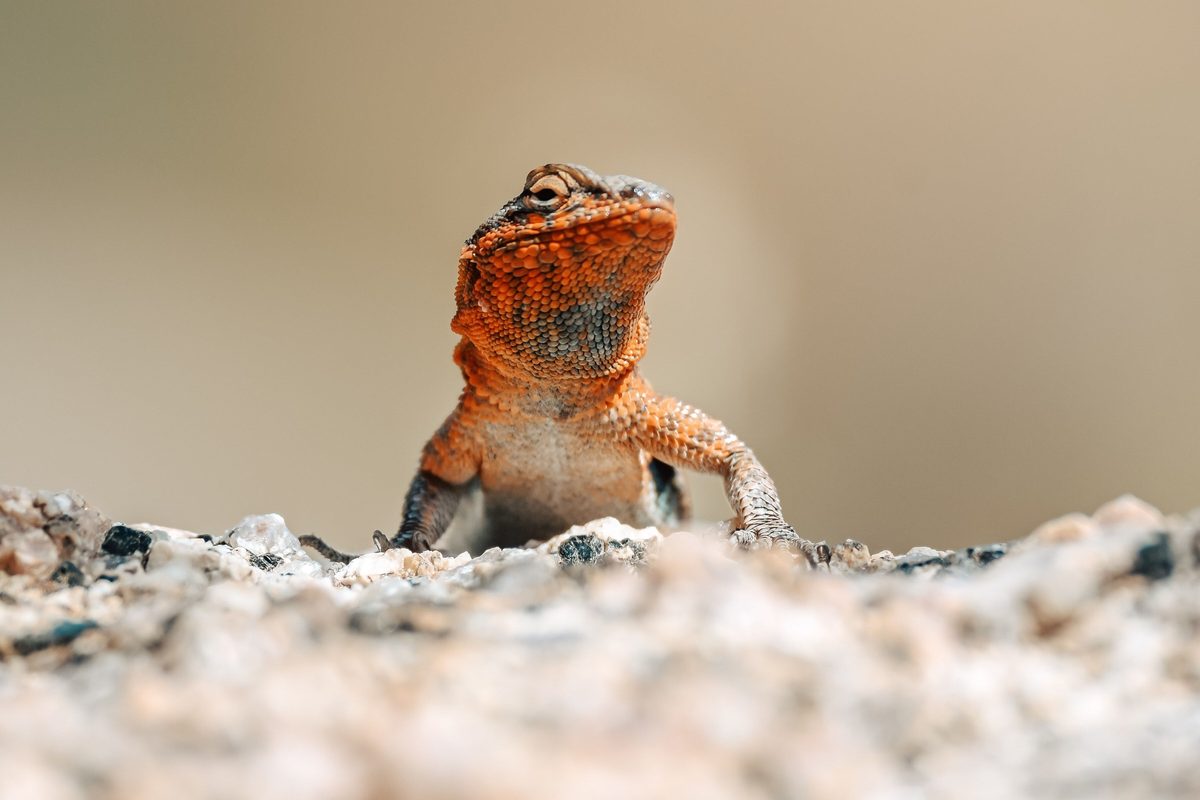
Trail company. Photo: Alara Thorn / Pexels.
Why a real estate team writes about waterfalls
Because a house is a place you sleep, and a life is what you do on Saturdays. People relocate to the Valley for the winters and stay for the access — Rim Country in ninety minutes, the high country in two hours, and a state full of water most visitors never find.
The Tomi Homes team has been pointing clients toward the good trailheads for over 30 years, usually somewhere between the third showing and the inspection. Tour guides with toilet paper, as Tomi puts it.
If you are moving here and want to know which part of the Valley puts you closest to the trails you actually want, that is a conversation worth having before you pick a neighborhood, not after.